Iceland in Winter: Top Tips to Plan the Perfect Iceland Winter Trip!
Need help planning your winter trip to Iceland? You’ve come to the right place!
In this article I have outlined everything you need to know about visiting Iceland in winter, including what weather you can expect, what you need to pack, the best things to do in Iceland in winter, sample itineraries and much more!
Iceland is known as the Land of Ice and Fire. With its powerful volcanoes, numerous waterfalls, icy landscapes and black sand beaches, it’s easy to see why.
It’s one of the most unique destinations in the world, where you can truly feel the power of nature, and in winter, all the landscapes become even more dramatic and scenic.
So what are you waiting for? Read on, and start planning your perfect Iceland in winter trip!

Essentials to book before you read on!
Best tours in Iceland
Vatnajokull Glacier Hike & Crystal Cave Tour
2-Day Winter Tour to Iceland's South Coast
Small Group Northern Lights tour from Reykjavik
Best hotels in Iceland
Budget: Wilderness Center
Mid-range: Buubble Hotel
Weather in Iceland in Winter
If you're visiting Iceland in winter, temperatures are going to be cold. It's a chilly time of year wherever you go on the island, but things do differ slightly from place to place.
On average, across the island during the winter months (December to February) the average low is -2°C, while average highs hover around 2°C.
But things vary. In the southern areas of Iceland, the average temperature is 0°C during winter, while in the colder north it can drop as low as -10°C.
In the northern city of Akureyri the average temperature during winter can fall between -4°C and 3°C. The capital, Reykjavik, sees similar average temperatures between -3°C and 3°C.


Snowfall is common during winter (though usually not super deep), though mostly in the Eastern, Northeastern, Northwestern and West Fjords Regions.
The weather in Iceland is famously changeable — from one day to the next you can expect sunny, cloudy, windy, and/or snowy conditions, even possible blizzards.
There’s a common saying in Iceland that says; “If you don’t like the weather, just wait five minutes”. That gives you an idea of just how changeable the weather is, even within the same day.
Then there are the hours of daylight you can expect. Winter may be known in Iceland for being perpetually dark, but that’s actually not the case.
The country never actually experiences true “polar night”, with the shortest days around the winter solstice (21st December). This is when there’ll be just 4 hours of daylight with the sun low in the sky.

If you want to see what Iceland in winter is truly like beyond the photos, check out my video about it below!
Best Things to do in Iceland in Winter
Whether you're visiting in summer or coming to Iceland in winter, the best things to do in Iceland range from seeing natural marvels to cultural sights.
It's a year-round destination, so many of the top activities here can be done regardless of the season.
Take the beautiful Icelandic waterfalls of the South Coast for example. There's Seljalandsfoss, a 60-metre cascade that looks magical in winter, cascading on a backdrop of craggy rocks and sporadic icicles.
There's also Svartifoss, where water plunges into a canyon of unearthly basalt columns. Personally I find these waterfall views magical in winter, but you could also visit them in summer.

The Snaefellsnes Peninsula can also be visited all year round. It's sometimes called "Iceland in miniature" since you can get a taste of just about everything in a relatively small area.
Here you can see the iconic Kirkjufell, a pyramid-esque mountain that rises 463 metres above sea level, the glacier-capped Snæfellsjökull volcano, and coastal rock formations like Lóndrangar.
The Golden Circle is a 190-mile route which has top sights like the Geysir Geothermal Area, Gullfoss Waterfall and Thingvellir National Park (among others), and can also be visited throughout the year.
But when it comes to winter specific activities, here are some of my recommendations to inspire your Iceland in winter trip.

Chase the Northern Lights
One of the top things to do in Iceland in winter is to see the Northern Lights. Also called the Aurora Borealis, this is a very winter-dependent activity in Iceland as you'll need dark skies to see them.
This obviously rules out summer, as it never really gets properly dark.
There are a ton of places where you can see the Northern Lights in all their glory. Some people think the black sand beaches near Jokulsarlon Lagoon are best. Others say they're truly epic from Thingvellir National Park.
Then again, just an hour's drive from Reykjavik, Borgarfjörður makes for a convenient spot to watch the mesmerising lights dance across the sky.
While you could easily go Northern Lights hunting alone, after all you just need to be in a dark place at night, there are loads of Northern Lights tours you can join.
These can be good if you don’t feel comfortable driving at night or in the snow, and it’s also a good idea to go with a local guide as they’ll know where to find the places with the darkest night sky.
Click here to book your Northern Lights tour in Iceland!


Explore Crystal Ice Caves
If you're travelling to Iceland in winter, don't miss out on an excursion to one of the country's epic ice caves.
They're formed by geothermal activity, water and airflow that heats pockets, which become caves and tunnels in glaciers, which can be explored on foot (with a guide) making for a one-of-a-kind Icelandic adventure.
The most impressive are the Vatnajökull ice caves, which appear blueish and crystalline thanks to the water purity. It's a winter-only activity as the ice caves melt in summer, making them too dangerous to explore.
Of course, you can only visit on a guided tour — you can’t just go wandering into an ice cave! This is genuinely one of the best tours in Iceland, and one activity I definitely recommend paying for.
Click here to book your Ice Caves Tour in Iceland!

If you want to see more of what it's like to explore an Icelandic ice cave, make sure to check out my YouTube video about it!
Go hiking on a glacier
Glacier hiking is up there as one of the best things to do in Iceland in winter.
In fact, it's the only real safe time to do it. As temperatures increase, ice melt also increases and water can further erode the ice away, creating hidden fissures and potential cave-ins of ice caves.
So, as you can imagine, glacier hiking is definitely a winter activity in Iceland!
One of the best places to go glacier hiking is Vatnajökull (Iceland's, and Europe's, largest) glacier, which has dozens of outlet glaciers to explore too.
The uber-scenic Skaftafellsjökull is one example — best done via a tour.
Elsewhere, there’s the country’s second-largest glacier by area, Langjökull, while the much smaller Eyjafjallajökull provides some of the best hiking in the country.
Glacier hikes are often paired with ice caves tours, as the ice caves are usually found within glaciers, so it’s a good opportunity to do the two things together.
Click here to book your Skaftafell Glacier Hike!

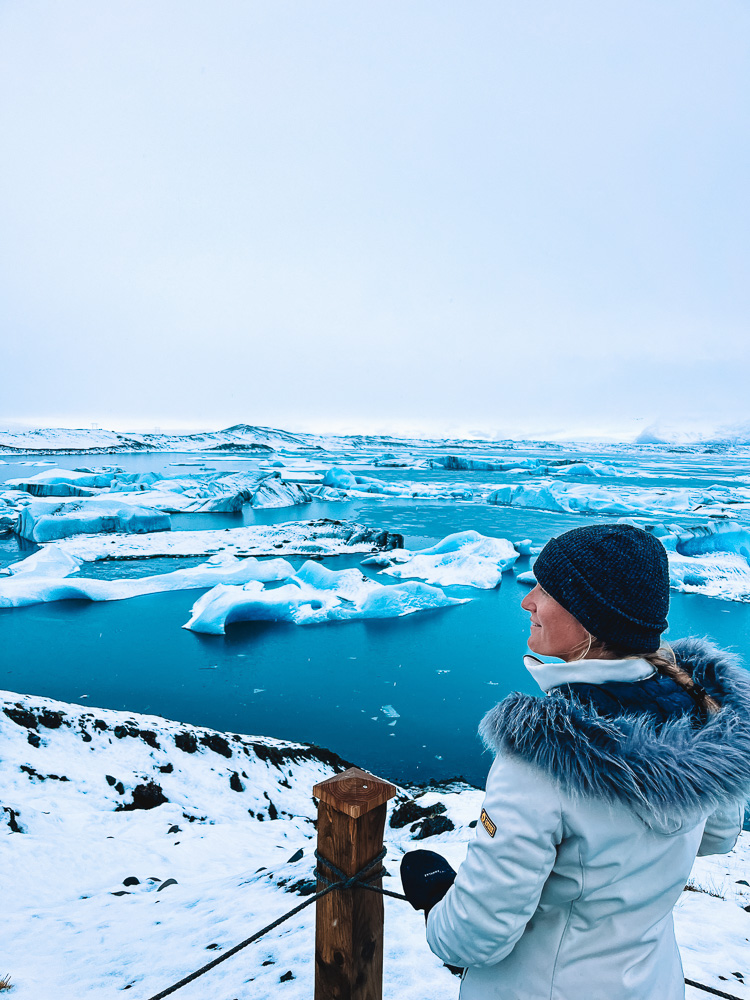
Visit Jokulsarlon Glacier Lagoon and Diamond Beach
The Jokulsarlon Lagoon (sometimes just called Glacier Lagoon) and the nearby Diamond Beach are also best viewed in winter.
In summer many of the icebergs melt, making the landscape not as impressive as it is during the coldest months of the year in Iceland.
Diamond Beach in particular, which is named for the blocks of ice that wash up on a black sand beach, is really only a “diamond” beach in winter; in summer, they melt, so it just becomes another black sand beach instead.
It might be best to take the hassle out of self-driving (especially in winter weather) and head on a tour that hits up Jokulsarlon Lagoon, Diamond Beach and other South Coast sights.
Click here to book your Jokulsarion Lagoon & Diamond Beach Day Trip from Reykjavik!
If you can't get enough of Iceland's iconic glacier lagoon, make sure to check out my YouTube video all about it!
What to Pack for Iceland in Winter
Now that you know the best places to visit in Iceland in winter, you’re going to need to know what to pack for your big trip.
Here’s what to pack for Iceland to ensure you’re prepared for the cold weather, so that you can enjoy everything this amazing country has to offer without being uncomfortable or cold.
Windproof/waterproof jacket - Having something that can keep the wind, rain and snow at bay is a must. If it’s also insulated (i.e. a down jacket with a windproof outer shell), that's a bonus.
Snow pants - You’ll need reliable pair of waterproof pants that aren't too tight, meaning you can hike and move freely during activities, as well as having enough space to wear another layer under them.

Waterproof snow boots - A really important item in your Iceland winter packing list! Make sure you choose a pair that are comfortable and have a good grip.
Thick socks - An essential for making sure your feet are warm and comfy.
Fleeces/jumpers - Layering is key in the cold, so make sure you pack a couple of good thermal fleeces or jumpers that you know are tried-and-tested to keep you warm.
Gloves - It's your choice of either more practical waterproof gloves or the thinner (perhaps touchscreen) glove type. Either way, having freezing fingers isn't fun.

Long-sleeve T-shirts - Again, one of my top Iceland winter tips is to ensure you layer up. Pack a few long-sleeved T-shirts (nothing fancy) that can help you keep warm.
I prefer thermal shirts to normal cotton ones, as they will keep you warmer, but many people use normal long sleeved shirts.
Pocket warmers - I'm a big fan of pocket warmers. They're only temporary, but they make a world of difference when you're hiking and feel like your hands are freezing.
Head torch - It's surprisingly dark or almost dark a lot of the time during winter in Iceland, and a head torch can come in handy.

How to Travel Around Iceland in Winter
Visiting Iceland in the winter offers glistening landscapes and frozen waterfalls. But winter is a more difficult time of year to travel around too.
Renting a car and driving yourself around is still an option, but you need to be aware that this does come with some unique difficulties.
If you want to self-drive, you will need to be a confident driver and ensure that you rent a car that is appropriate for dealing with Iceland’s level of snow and ice.
Road closures are not unheard of, and you won’t be able to access a lot of the roads that you would otherwise be able to in the summer months.
Not only that, but you’ll also have to contend with the lack of daylight, which means you’ll be driving in dim light or darkness for most of the time.
Click here to find your perfect car rental in Iceland!

One easier way to see Iceland’s winter attractions is by hopping on a tour. This takes away a lot of the hassle and danger of driving in Iceland in winter.
Simply sit back and let a professional driver take you to all the famous sights, without having to worry about driving on icy winter roads.
Since I'm not a very good driver, and my boyfriend had never driven on snow, we decided to opt for a guided tour of the Ring Road, and it was a pretty good solution for us.
Some options for Iceland tours range from this half-day tour of the Golden Circle sights, to this 3-day South Coast tour from Reykjavik and an epic 8-day guided minibus tour around Iceland.
Click here to book your guided multi-day tour in Iceland!


Is it Worth Visiting Iceland in Winter?
Yes, absolutely! Visiting Iceland is an amazing experience any time of year, but if you’re wondering whether to visit Iceland in winter or summer, I would say that in winter it gets even more incredible.
It's a unique destination, and very different from Iceland in the summer, boasting unique volcanic and icy landscapes, the potential to hike on glaciers and explore gleaming ice caves — not to mention see the Northern Lights in all their glory.
There's something about seeing the Land of Ice and Fire when it's very icy that makes it all the more special.

Where to Stay in Iceland in Winter
Where you stay will ultimately depend on your Iceland in winter itinerary and how many days you spend in Iceland.
Many people prefer to stay in Reykjavik and do day trips from there, whilst others will go on full on Iceland winter road trips and sleep all over the island.
One thing is sure, if you want to see the Northern Lights, it’s better if you can sleep outside of the main cities.
Here are some of the hotels we stayed at during our Iceland trip, as well other unique Iceland hotels that will make your trip special.
Budget: Wilderness Center - We stayed here during our Ring Road trip around Iceland and loved it. It's super cozy and super remote, which makes it perfect for spotting the Northern Lights!
Check out prices & availability at Wilderness Center here!
Mid-range: Buubble Hotel - Bubble hotels have become very popular lately, but when it means you could see the Northern Lights from the comfort of your bed, it becomes an even more special stay!
Click here to book your stay at Buubble Hotel in Iceland!
Luxury: The Retreat at Blue Lagoon Iceland - This hotel will considerably impact your Iceland travel budget, but if you can afford it, it's the perfect place to treat yourself! It's the most famous thermal lagoon in Iceland after all, the perfect place to chill at the end of a long day exploring.
Click here to see prices & availability at The Retreat at Blue Lagoon Iceland!


Do you need travel insurance to visit Iceland?
After my personal experience spending two nights in a private hospital in Tenerife, and having to pay for it out of pocket (it wasn’t cheap), I always recommend getting travel insurance.
You might not end up needing it, but for a small fee, you can travel without worries. Personally, I suggest getting your travel insurance with Heymondo.
Heymondo offers tailor-made travel insurance, providing the best value for money for your specific trip. You can also buy it once you’re already abroad and have forgotten about it before flying (which, if you’re anything like me, is quite likely).
Besides the usual cancellations, medical expenses, luggage coverage, and general travel insurance services, Heymondo also has a 24/7 doctor chat and instant assistance through their app.
Plus, as a Greta’s Travels reader, you get 5% off your Heymondo travel insurance!
Click here to get your 5% off Heymondo travel insurance!

Final Thoughts on Visiting Iceland in Winter vs Summer
There you have it, the ultimate guide to visiting Iceland in winter! Have you been to Iceland before? How did you find it? Let me know in the comments below!
I have spent a week in Iceland twice now, once in summer and once in winter, and I must say that I enjoyed my winter experience much more.
Iceland is amazing any time of the year, but in winter it’s just magical. It has a special touch that you don’t get in summer, and it’s a simply unique destination unlike anywhere else in the world.
Plus, if you want to have a chance at seeing the Northern Lights, you’ll have to visit in winter!
I hope you’ll find this article useful in planning your Iceland winter trip, if you have any questions just let me know in the comments below!
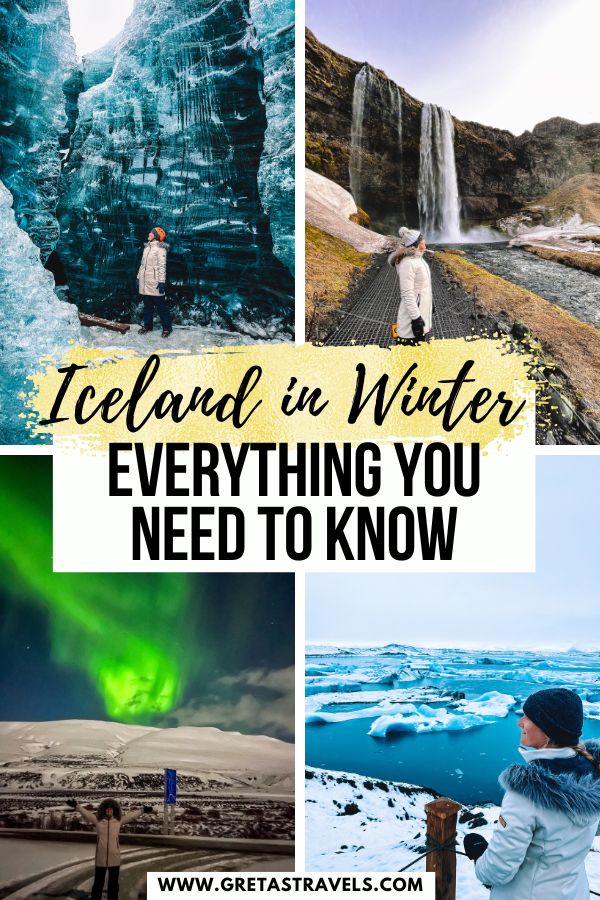
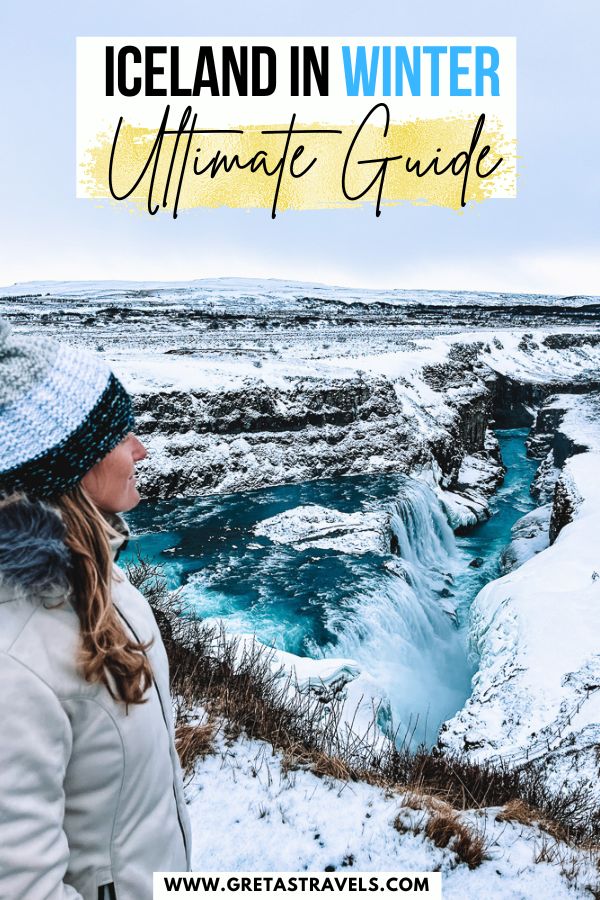
Enjoyed reading about Iceland winter travel? Pin it!
Discover more Europe travel guides!
- Hiking the Chestnut Trail in Südtirol, Italy: The Ultimate Italian Self-Guided Walking Holiday!
- Sustainable Tourism in Ravenna, Italy - What is It, Best Tours & More!
- The BEST Places to Visit in Upper Austria: Discover Linz & Vitalwelt!
- Best Things to do in Ravenna, Cervia & Comacchio! Highlights of Emilia Romagna